Acupuncture for Shoulder Pain
in Long Island City
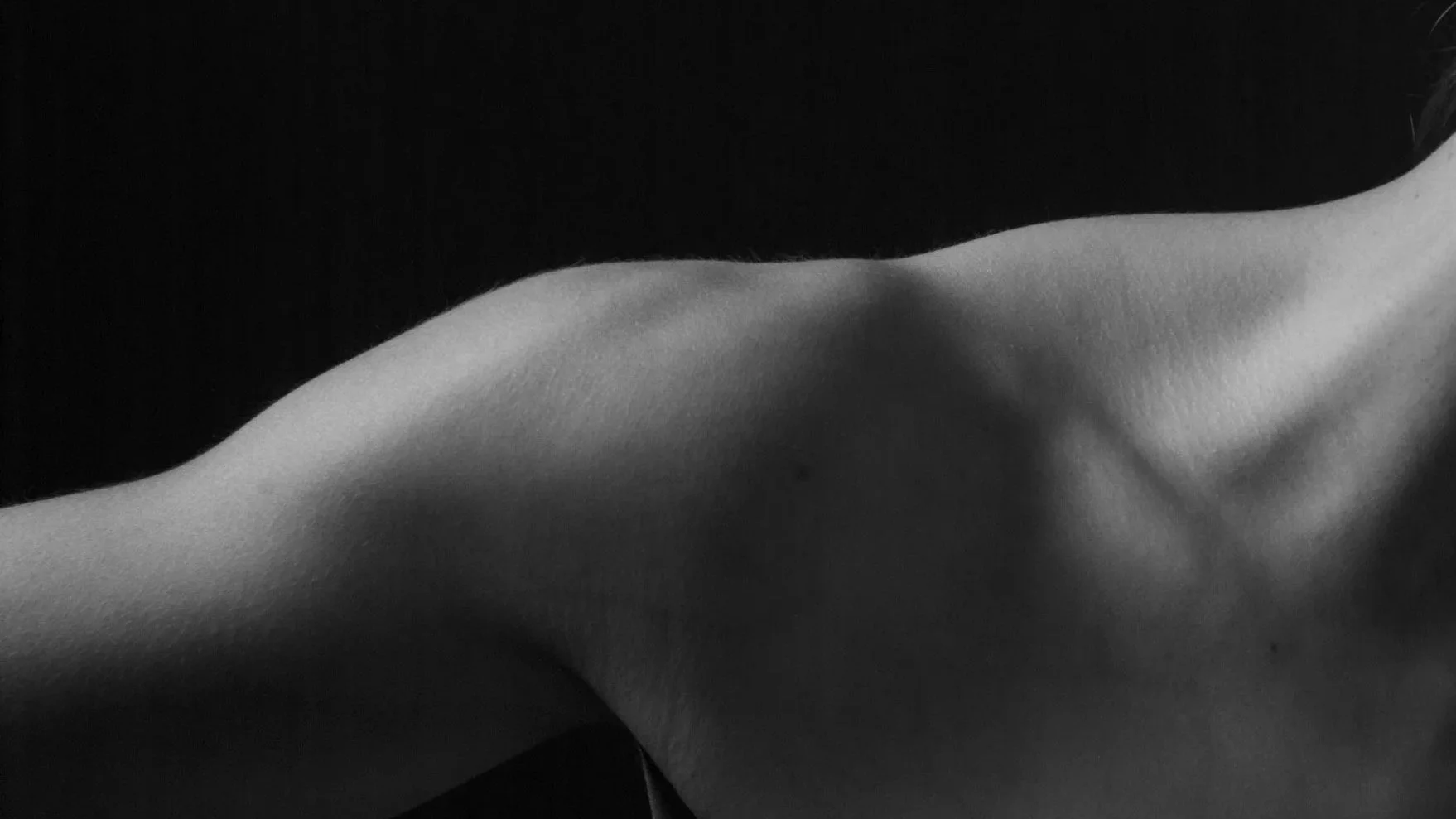
Shoulder pain can develop gradually from training, repetitive movement, or prolonged desk work — or appear suddenly after strain or injury. It can affect how you sleep, get dressed, lift, and train. Left unaddressed, restricted shoulder movement tends to worsen over time.
The shoulder is the most mobile joint in the body, which also makes it one of the most vulnerable. It depends on coordinated function between the rotator cuff, shoulder blade, and surrounding muscles. When any part of that system becomes overloaded or irritated, pain and restricted movement often follow.
At LIC Acupuncture & Wellness, acupuncture and dry needling for shoulder pain are directed at the structures involved — reducing tension in overloaded muscles, calming inflammation in affected tendons or joints, and restoring more natural movement — so you can return to training, work, and daily activity.
Our clinic is located in Long Island City, Queens.
“I wasn’t getting adequate help before my shoulders got so bad I would need surgery. They helped me regain full range of motion and strength, and addressed numbness in my hands.”
Common Symptoms of Shoulder Pain
Shoulder pain can present differently depending on which structures are involved.
Pain when lifting the arm
Pain when reaching overhead or behind the back
Weakness in the shoulder or arm
Reduced range of motion
Pain when sleeping on the affected side
Tightness in the shoulder, upper back, or base of the neck
Pain spreading into the upper arm
Discomfort with pushing, pulling, or lifting
Clicking or catching with movement
In some cases symptoms begin gradually. In others they appear suddenly after strain or acute injury.
Common Causes of Shoulder Pain
Shoulder pain often develops when the tissues that support the joint become overloaded, irritated, or injured.
Common contributing factors include:
Repetitive overhead movements or lifting
Weight training or athletic activity
Shoulder instability
Acute trauma or sudden strain
Poor posture or prolonged desk work
Muscle imbalance around the shoulder and upper back
Sleeping position
Over time these factors can lead to increasing tension, stiffness, and reduced movement in the shoulder joint.
Shoulder Conditions We Treat
Rotator Cuff Strain or Tear
Damage to one or more of the rotator cuff tendons, often from overuse, repetitive lifting, or acute injury. May cause pain with overhead movement, weakness, and difficulty sleeping on the affected side.
Frozen Shoulder (Adhesive Capsulitis)
Progressive stiffening of the shoulder joint that limits movement in multiple directions. Often develops gradually and can persist for months without treatment. In some cases it follows an injury or period of immobility, but it can also occur without a clear cause.
Shoulder Impingement Syndrome
Compression of soft tissues in the shoulder during lifting, reaching, or overhead movement. Often develops from repetitive overhead activity, muscle imbalance around the shoulder blade, or both.
Biceps Tendinopathy
Degeneration or overload of the biceps tendon near its attachment at the shoulder. Causes pain in the front of the shoulder with lifting or overhead activity.
Labral Tear or Injury
Damage to the cartilage rim of the shoulder socket that may occur with trauma, repetitive strain, or overhead athletic activity. Symptoms may include deep shoulder pain, clicking, or instability.
Shoulder Bursitis
Inflammation of the bursa that cushions the shoulder joint, causing pain with lifting or overhead movement. Often occurs alongside impingement or rotator cuff irritation.
AC Joint Pain or Arthritis
Pain originating from the acromioclavicular joint at the top of the shoulder. Often aggravated by pressing movements, lifting across the body, or contact sports.
Calcific Tendinitis
Calcium deposits within the rotator cuff tendons that can cause acute, severe shoulder pain or a chronic low-grade ache. Often diagnosed on X-ray and may occur without a clear precipitating injury.
Thoracic Outlet Syndrome (TOS)
Compression of nerves or blood vessels around the collarbone. Can cause shoulder pain, arm fatigue, and numbness or tingling into the hand, often aggravated by overhead positions or carrying loads.
Post-Surgical Shoulder Recovery
Support following rotator cuff repair, labral surgery, or other shoulder procedures to help restore movement, reduce tension, and support tissue recovery.
Muscle Strain and Overuse
Pain from overloaded or fatigued muscles around the shoulder and upper back, common in athletes, manual workers, and people who spend long hours at a desk.
Is It the Shoulder or Something Else?
In some cases, pain that feels like it is coming from the shoulder is actually coming from the neck. Nerve irritation in the neck — particularly at C5 or C6 — can produce pain in the shoulder and upper arm that closely resembles a rotator cuff or tendon problem. This can occur on its own or alongside a shoulder condition. Treatment can address both.
Treatment is guided by how symptoms present:
Pain pattern and distribution
Whether symptoms are affected by neck position or movement
Strength and sensation changes in the arm
Shoulder range of motion and movement quality
Response to treatment over time
This helps guide where treatment is focused and how it is adjusted as symptoms respond.
In many cases, treatment addresses both the local shoulder and the neck to resolve symptoms fully.
How We Address Shoulder Pain
Acupuncture and dry needling target tight or inhibited muscles around the shoulder, reduce inflammation in affected tendons or bursae, and improve circulation to support tissue recovery. Treatment may include electrical stimulation when appropriate.
The shoulder blade, upper back, and neck are often assessed and treated alongside the shoulder, since restriction or tension in those areas can directly affect how the shoulder moves.
As movement improves and inflammation settles, many patients notice greater comfort and improved range of motion during everyday activities.
What to Expect
Consultation
We review your symptoms, activity level, and goals. We determine whether acupuncture is appropriate and discuss the expected course of recovery.
Treatment
Sessions focus on reducing tension in the muscles that support the shoulder, calming inflammation in affected tendons or joints, and improving movement quality through the shoulder and upper back. Early care is directed at easing pain and restoring more comfortable movement.
Progress
Many patients notice changes within the first few visits. Longstanding shoulder pain may improve more gradually over a structured series of treatments.
Return to Activity
As symptoms stabilize, care shifts toward restoring strength, control, and confidence with load. The focus moves from reducing pain to supporting full return to training, work, and physical activity.
Why Patients Choose Us
Addressing What Is Driving the Pain
Shoulder pain can originate from the rotator cuff, tendons, bursa, joint, shoulder blade, or cervical spine. Symptoms that feel similar can have different underlying sources. Treatment is adapted based on how the shoulder moves, how symptoms respond, and how they change with position or activity.
Treatment for the Whole Movement System
Shoulder movement depends on coordination between the shoulder blade, upper back, and neck. Restriction in any of these areas can affect shoulder mechanics and recovery. Treatment often addresses all relevant structures, not just the point of pain.
Adapted to Your Training, Workload, and Daily Demands
Training volume, repetitive work movements, and posture can all influence shoulder pain. Treatment and guidance are adapted to these factors to support sustainable improvement, not just temporary relief.
Targeted, One-on-One Care
Each session is focused and adjusted based on how symptoms respond. As movement improves and pain patterns shift, the plan is adapted accordingly. When appropriate, care may be coordinated with physical therapy to support durable recovery.
Patient Experiences
"I started coming here because I had shoulder pain. I wasn't getting adequate help from other providers before my shoulders got so bad I would need surgery. They helped me regain full range of motion and strength, and addressed numbness in my hands and elbow that seemed like it was just part of getting older but was actually a symptom of my shoulder pain."
— Kevin C."Due to stress and my type of work, I get this really bad burning sensation on my left shoulder. After a few sessions of acupuncture, cupping, and massage the pain improved significantly.”
— Erika F."I came here with chronic neck and shoulder pain, plus the usual New Yorker issues — sleep, digestion, and stress. After seeing them regularly I've noticed such a difference. This place has really helped me feel better in my body and calmer in my daily life."
— Cece L.“I first came in for chronic shoulder pain from work and stress, and after maybe 3 sessions I found so much relief.”
— Kelsey R.
Frequently Asked Questions
Can acupuncture help shoulder pain?
Acupuncture can help reduce shoulder pain by relaxing overloaded muscles, reducing inflammation in affected tendons or joints, and improving circulation to the area. As tension decreases and movement improves, many patients experience meaningful reduction in pain and better function with everyday activities.
How many treatments are typically needed?
Some patients notice improvement within the first 5 visits. More persistent or structural shoulder problems often require a longer course of treatment. The timeline depends on how long symptoms have been present, the specific structures involved, and how the shoulder responds to treatment.
Can acupuncture help with a rotator cuff tear?
Acupuncture may support recovery from partial rotator cuff tears or strain by reducing inflammation, easing muscle guarding, and improving shoulder mechanics. Complete tears with significant weakness or loss of function typically require orthopedic evaluation to determine whether surgical intervention is necessary.
What is the difference between shoulder pain and cervical radiculopathy?
Shoulder pain originating from the shoulder itself is typically aggravated by shoulder movement. Cervical radiculopathy — where a nerve in the neck is compressed — can produce pain in the shoulder and upper arm that is influenced by neck position or movement. In some cases both are present. Treatment can address both the shoulder and the neck, and is adapted based on how symptoms respond over time.
Is dry needling different from acupuncture for shoulder pain?
Both involve thin, sterile needles, but dry needling is a technique directed specifically at trigger points and tight muscle tissue. For shoulder pain, dry needling is often used alongside acupuncture to release tension in the rotator cuff muscles, upper trapezius, and surrounding structures.
Can shoulder pain come from the neck?
Yes. Nerve irritation in the neck can produce shoulder and upper arm pain that closely mimics a local shoulder condition. When both are contributing, treatment addresses both and is adjusted based on how symptoms change over time.
When to Seek Medical Evaluation
Most shoulder pain improves with conservative care. However, certain presentations warrant prompt evaluation or imaging:
Acute trauma with significant loss of movement or deformity
Suspected complete rotator cuff tear with marked weakness
Shoulder dislocation or instability following an acute event
Numbness, tingling, or weakness into the arm or hand that is rapidly worsening or not improving with conservative care
Severe pain that does not respond to rest or conservative treatment
Shoulder Pain Treatment in Long Island City
LIC Acupuncture & Wellness is located in Long Island City, Queens, serving patients from Queens, Manhattan, and Brooklyn.
Additional Services
Related Conditions
Individual results may vary. See full disclaimer.